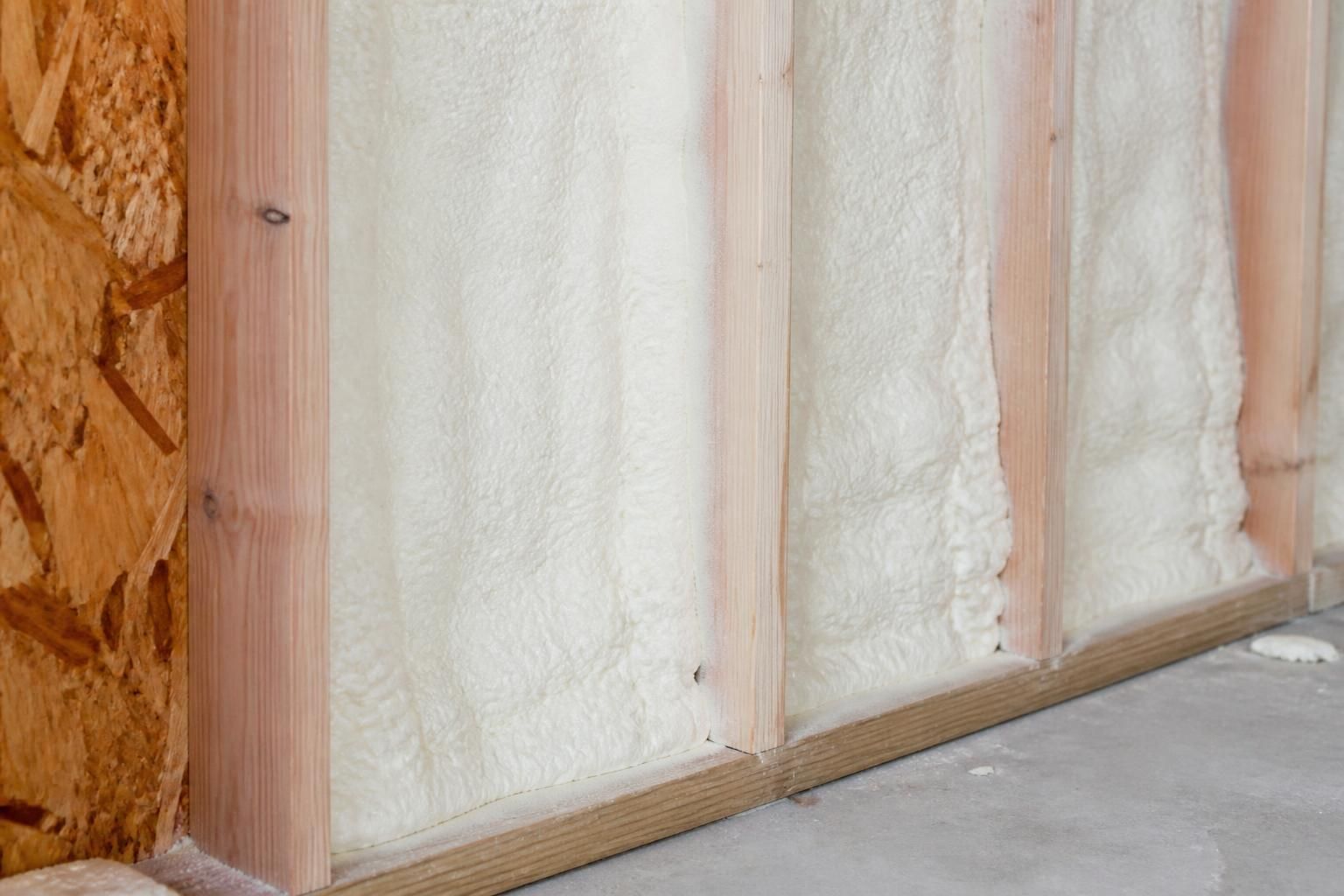
If your rooms feel uneven, drafts keep showing up, or the attic and walls never seem to hold temperature, the insulation may be falling short. Spray foam can help reduce air leakage, strengthen thermal control, and make problem areas feel more consistent.
Edmonton Insulation Company provides spray foam insulation for homes, garages, basements, crawl spaces, and commercial spaces across Edmonton, AB T5M 0H1. If you are weighing open cell versus closed cell, replacing old material, or planning a new build, we can assess the space and recommend the right approach for the job.
Spray foam is a strong option when standard insulation alone is not enough to control drafts, moisture movement, or temperature swings. It expands to fill gaps around framing, seams, penetrations, and irregular surfaces where air often escapes.
Many property owners consider spray foam when they notice:
At Edmonton Insulation Company, we look at the full assembly, not just the visible surface. That helps us identify where air sealing, insulation removal, or a different insulation type may be needed before spray foam goes in.
Choosing between open cell and closed cell spray foam depends on the space, the moisture conditions, and the performance goals. Each type has a different density, structure, and use case.
Open cell foam is lighter and more flexible. It expands well into cavities and can be a smart fit for interior walls, attic applications, and places where sound control is also a benefit. It is often used where the goal is to reduce air movement and improve comfort without creating a rigid barrier.
Closed cell foam is denser and more rigid. It offers a stronger vapor-resistant layer and is often selected for areas with higher moisture exposure or where greater insulating value per inch is needed. It can be a practical choice for basements, rim joists, foundation walls, and certain commercial assemblies.
We help homeowners and builders choose the foam type that matches the space rather than pushing a one-size-fits-all answer. That includes looking at how the area is used, what material is already present, and whether air sealing or insulation removal is part of the plan.
Spray foam can be applied across many parts of a building, especially where sealing and thermal control matter most. It is commonly used for both upgrades and new construction work.
For residential projects, spray foam is often used in attics, wall cavities, basement walls, crawl spaces, garage walls and ceilings, and rim joists. These are common places where heat loss, drafts, and moisture movement become noticeable.
For commercial insulation projects, spray foam can support better comfort and performance across offices, shops, warehouses, and multi-unit properties. It is especially useful where air sealing needs to be handled at the same time as thermal insulation.
Some of the most common applications include:
Spray foam installation takes planning, surface prep, and careful application. A clean, well-prepared substrate helps the foam adhere as expected and gives the finished assembly the performance you are after.
When you contact Edmonton Insulation Company, the process usually starts with a review of the space, the existing insulation, and the target areas. We look for moisture concerns, hidden bypasses, and material that may need to be removed before new insulation is added.
We inspect the area and discuss what you are trying to solve, whether that is drafts, cold floors, condensation, or a full insulation upgrade. This step helps avoid unnecessary work and points the project toward the right material and application method.
Once the plan is set, the area is prepared for installation. That may include insulation removal, cleaning the surface, air sealing, and protecting surrounding areas. Spray foam is then applied to the target cavities or surfaces so it can expand and bond to the structure.
After installation, we review coverage and look for missed gaps or areas that need attention. The goal is a clean result that supports energy efficiency and comfort without leaving weak spots behind.
Spray foam does more than add thermal resistance. It also helps reduce uncontrolled air movement, which is often a major cause of comfort problems. Many buildings lose performance through small gaps that are hard to see but easy to feel.
That is why spray foam is often paired with air sealing services. Sealing gaps around penetrations, framing transitions, and rim joists can make a major difference before or during insulation work. In some projects, air sealing is the step that makes the insulation upgrade worth the effort.
This matters especially when you are trying to solve:
Spray foam insulation can support many different goals, from a single room upgrade to a full building envelope improvement. The approach changes based on whether the property is new, existing, or being renovated.
New construction insulation: Spray foam is often a good fit for new builds where the framing is open and access is simple. It can be placed where consistent coverage and air control are needed from the start.
Renovations: During renovations, spray foam can solve problem cavities, help address outdated insulation, and improve comfort without changing the layout of the space.
Existing homes: For older buildings, spray foam can be combined with insulation removal or attic top-ups when the current insulation is compressed, damaged, or no longer giving the performance you need.
Garage and basement upgrades: These areas often benefit from spray foam because they are exposed to colder surfaces and more air leakage than the main living areas.
Spray foam performance depends on more than thickness alone. The structure, the substrate, and the surrounding assembly all influence how well the finished system works.
Key factors include:
That is why we take time to evaluate the space instead of assuming the same solution will suit every wall, attic, or foundation area.
Spray foam is especially useful in places where air leakage and temperature loss are common, such as attics, rim joists, basement walls, crawl spaces, garage areas, and irregular wall cavities.
The better fit depends on the location, moisture conditions, and performance goals. Open cell is often used for interior cavities and sound control, while closed cell is often selected for denser coverage and more moisture-resistant assemblies.
Yes, spray foam is often used during renovations when walls, ceilings, or other areas are already open. It can be a practical time to improve air sealing and insulation at the same time.
Sometimes. If the existing material is damaged, compressed, contaminated, or getting in the way of the new insulation plan, insulation removal may be recommended before spray foam is installed.
Yes. Spray foam is commonly chosen because it seals gaps and reduces the air movement that causes drafts near floors, walls, and rim joists.
It can help reduce unwanted air movement and limit moisture transfer through certain assemblies. The right foam type and application method depend on the area and the conditions present.
If you are comparing insulation options for a home or commercial property, we can help you understand whether spray foam is the right fit. Edmonton Insulation Company serves Edmonton, AB T5M 0H1 and surrounding communities with honest recommendations, clear communication, and a focus on lasting results.
Call +16477005472 to request a free insulation assessment or quote. Our hours are Monday through Sunday, 7:00 AM to 9:00 PM, and we are located at 10718 124 St, Edmonton, AB T5M 0H1.
Start Here
Tell us about your attic, walls, garage, basement, crawl space, or commercial property. We will help you understand the best insulation approach for comfort, efficiency, moisture control, and long-term performance.