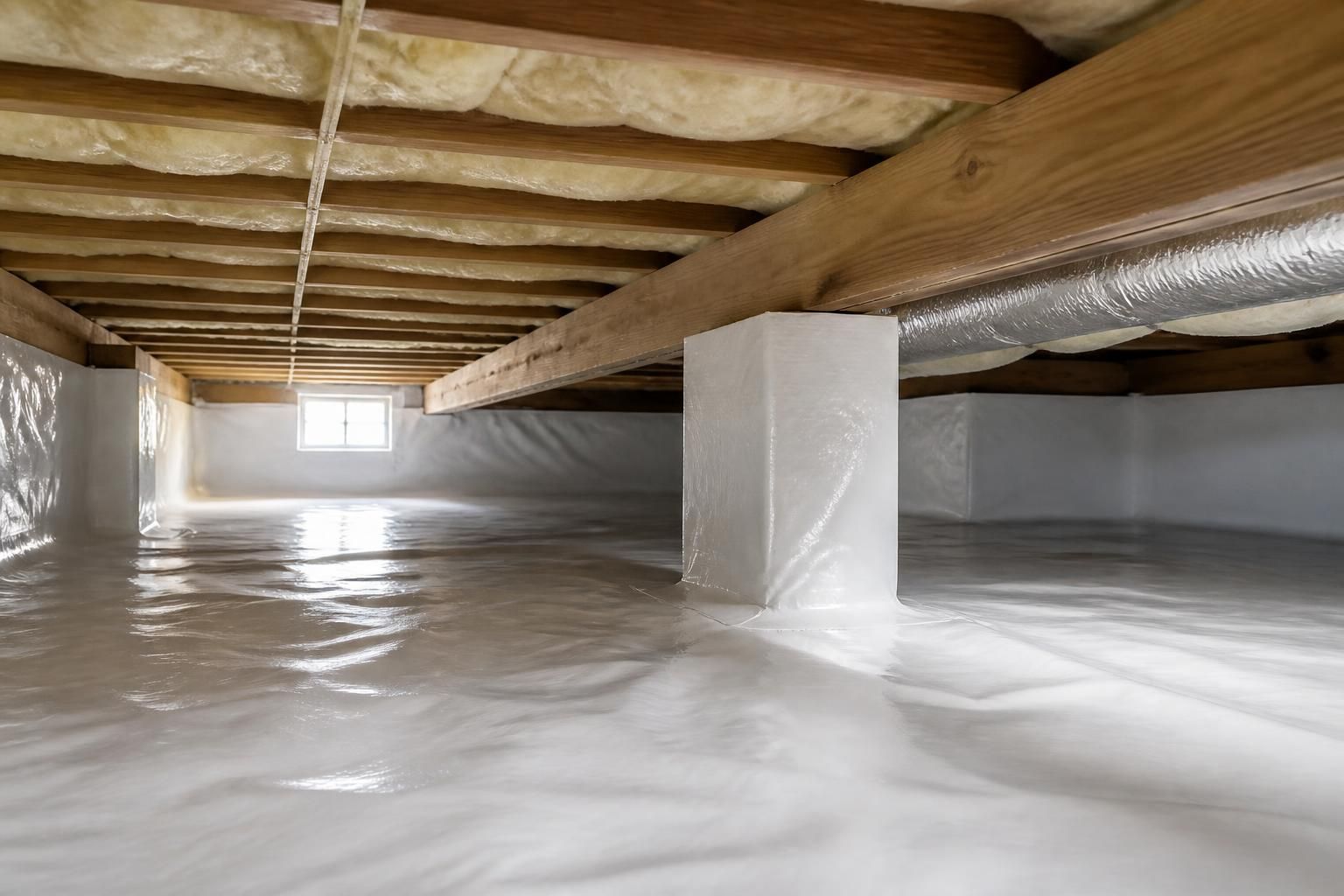
Cold floors, drafts near the lower level, and a musty smell beneath the home often point to a crawl space that is losing heat and collecting moisture. If rooms above the crawl space feel uneven or harder to keep comfortable, the insulation below may no longer be doing its job.
Edmonton Insulation Company helps homeowners in Edmonton, AB T5M 0H1 assess crawl space conditions, choose the right insulation approach, and fix weak spots that affect comfort and energy use. We look at moisture, air leaks, existing materials, and access conditions before recommending the next step.
Crawl space problems are not always visible from the living area, but the symptoms usually show up somewhere else first. A crawl space that has thin, sagging, missing, or damp insulation can make the home feel harder to heat and less consistent from room to room.
If any of these sound familiar, a crawl space assessment can show whether the issue is insulation, air leakage, moisture, or a mix of all three.
Good crawl space insulation starts with understanding the space itself. Before recommending materials, we review the conditions that affect performance, not just the visible insulation.
That inspection helps us recommend a crawl space solution that fits the building instead of forcing one material into every situation.
Different crawl spaces need different products. The right choice depends on whether the space is vented or enclosed, how dry it stays, and where the biggest heat loss is happening. Edmonton Insulation Company installs insulation methods that are suited to crawl space conditions and the rest of the building envelope.
Fiberglass batt insulation can work well where framing is open and access is straightforward. It is often used where a clean cavity fill is possible and where other moisture concerns have been addressed first.
Spray foam insulation can help with air sealing and thermal resistance at hard-to-reach edges, rim joists, and irregular surfaces. It is often chosen where air leakage is a major concern or where the crawl space has details that are difficult to seal with other materials.
In some crawl space applications, cellulose or blown-in insulation may be appropriate for specific enclosed areas or related assemblies. These options can help fill gaps and improve coverage where the structure allows it.
We explain the tradeoffs clearly so you can compare durability, coverage, moisture response, and long-term performance before work begins.
Insulation alone cannot solve a damp crawl space. If moisture is ignored, insulation can lose effectiveness, odor can develop, and building materials may be exposed to avoidable stress. That is why crawl space insulation work should always consider moisture control alongside thermal upgrades.
Signs that moisture needs attention may include condensation, damp framing, staining on surfaces, or an ongoing musty smell. In those cases, we discuss what should be corrected before or during insulation work so the upgrade is more durable.
When crawl space insulation is planned with moisture conditions in mind, the result is usually more reliable and easier to maintain.
Air movement can undermine even good insulation. Small gaps around plumbing, wiring, joists, and framing connections can let outside air pass through the crawl space and into the home above. That is why air sealing is often part of a crawl space insulation project.
We focus on the leakage points that matter most, especially at rim joists and edge areas. Sealing these spots can reduce drafts, support insulation performance, and help the lower part of the house feel more stable through the heating season.
For many homes, air sealing is the step that makes the insulation upgrade pay off more clearly. Without it, insulation may be asked to do all the work while air leakage keeps pulling heat away.
Sometimes the right move is not adding more insulation first. If existing material is wet, fallen, contaminated, or badly compressed, insulation removal may be the cleaner and smarter starting point. Leaving damaged material behind can trap odor, hide moisture problems, and reduce the value of the new installation.
We handle removal when needed and evaluate the space afterward so new insulation goes into a cleaner, more predictable environment. This is especially useful when a crawl space has a long history of moisture or patchwork repairs.
Every crawl space is different, but the process should still feel clear and organized. When you contact Edmonton Insulation Company for crawl space insulation at Edmonton, AB T5M 0H1, we keep the steps straightforward.
This approach helps homeowners understand what was done and why it matters for comfort, energy use, and crawl space condition.
Crawl space insulation has to match the structure and the climate demands of the region. A solution that looks acceptable at first glance may still fail if it does not account for air leakage, moisture exposure, or inconsistent cavity coverage. We tailor each recommendation to the crawl space rather than relying on one material for every house.
Edmonton Insulation Company works with homes, renovations, and upgrades across Edmonton, AB T5M 0H1 and nearby communities. Our focus is practical: reduce heat loss, address weak points, and help the home feel more even and comfortable from one season to the next.
If the crawl space is part of a larger insulation concern, we can also discuss related areas such as basement insulation, attic insulation, or rim joist upgrades so the full building envelope works together.
Look for cold floors, drafts, musty smells, visible sagging insulation, or rooms above the crawl space that never seem to hold temperature well. Those are common signs that the space should be inspected.
Yes. When the crawl space loses heat or leaks air, the rooms above it can feel colder and less consistent. Better insulation and air sealing can reduce that unevenness.
It often does. Damp conditions may affect whether fiberglass, spray foam, or another approach is the right fit, and moisture issues should be reviewed before installation starts.
Not always, but damaged, wet, or badly compressed insulation usually needs to come out before new material is installed. That gives the crawl space a cleaner and more reliable starting point.
That depends on the material, the moisture conditions, and whether the space is sealed well. Good installation and good site conditions help insulation perform longer.
Yes. Air sealing is often part of a crawl space insulation project because insulation works better when uncontrolled air movement is reduced first.
If your crawl space is driving up energy use, creating drafts, or contributing to moisture concerns, it is worth getting the space checked before the problem spreads. Edmonton Insulation Company provides honest recommendations, clear communication, and free estimates for crawl space insulation at Edmonton, AB T5M 0H1.
Call +16477005472 to book your assessment or visit us at 10718 124 St, Edmonton, AB T5M 0H1. We are open Monday through Sunday from 7:00 AM to 9:00 PM.
Start Here
Tell us about your attic, walls, garage, basement, crawl space, or commercial property. We will help you understand the best insulation approach for comfort, efficiency, moisture control, and long-term performance.