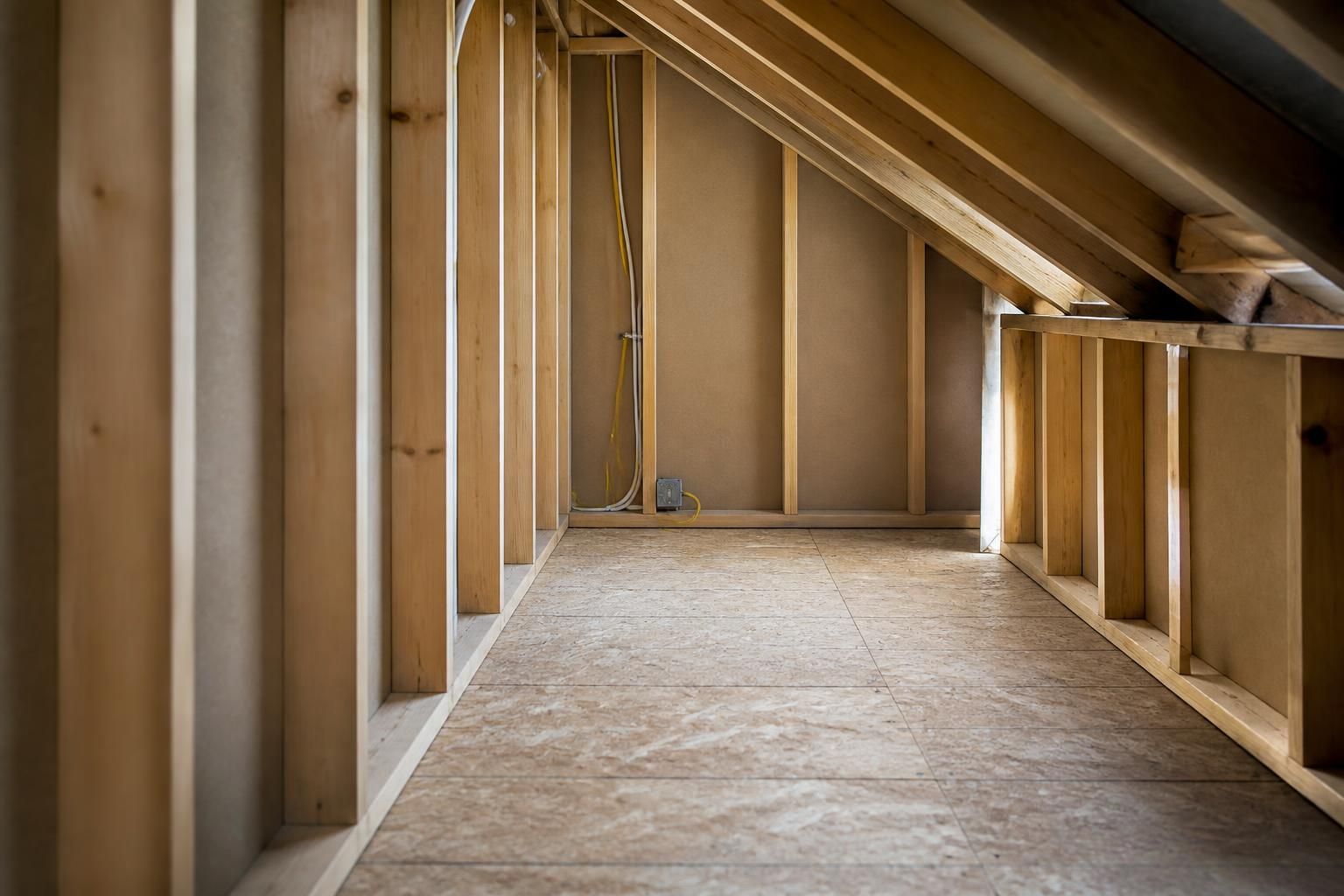
If your attic insulation looks damp, compressed, stained, or full of debris, it may no longer be doing its job. You might also notice persistent drafts, uneven room temperatures, higher heating bills, or a stale smell near the ceiling or attic access. Those are common signs that old insulation should be removed before new material goes in.
Edmonton Insulation Company helps property owners clear out worn insulation from attics, basements, crawl spaces, walls, garages, and other problem areas at 10718 124 St, Edmonton, AB T5M 0H1. If you are planning an upgrade or dealing with moisture, mould concerns, rodent contamination, or insulation that has settled far below the needed R-value, we can assess the space and recommend the next step.
Insulation is not always meant to last forever. Some materials settle, absorb moisture, or get contaminated over time. Once that happens, adding new insulation on top may only hide the real problem. Removal gives us a clean starting point so the next layer performs the way it should.
Common situations that call for removal include:
Sometimes removal is the first step before a full attic top-up, air sealing, spray foam upgrade, or new construction insulation plan. It can also be the right move when old material is holding odors, restricting ventilation, or making it hard to improve the building envelope.
We remove insulation from both residential and commercial spaces, with the method shaped by the material, access, and condition of the area. Some projects involve loose fill that can be vacuumed out. Others require careful hand removal of batts, damaged rolls, or material caught around obstructions.
Before any removal starts, we look at the condition of the space and identify whether the issue is localized or widespread. That helps us avoid removing material that could still be useful, while making sure the problem areas are fully addressed.
Insulation removal should be organized, controlled, and matched to the structure. The goal is not just to empty a cavity. The goal is to leave the area ready for what comes next, whether that is new insulation, air sealing, attic ventilation improvements, or a more complete upgrade.
We review the space, the type of insulation present, and the likely cause of the damage or deterioration. This helps determine the safest removal method and whether the area needs prep work first.
We prepare the work area to help control debris and reduce disruption. Access points, equipment paths, and disposal staging are planned before removal begins.
Depending on the material, we use vacuum extraction, hand removal, or a combination of both. The method depends on whether the insulation is loose fill, batt, or attached to surfaces.
Once the old material is out, we clear remaining debris and inspect the exposed surfaces so the next insulation step is ready to begin.
If needed, we discuss air sealing, moisture concerns, ventilation improvements, or replacement insulation options so the space does not simply return to the same condition.
For homeowners, builders, and property managers, this approach saves time later because the cavity is left ready for a clean reinstall rather than a patchwork fix.
Insulation problems are not always obvious from the ground. A space may look fine until a closer inspection reveals hidden damage. If you are unsure whether removal is needed, a few signs usually point the way.
If these conditions are present, a removal project often leads to better results than covering the problem with another layer. Edmonton Insulation Company can help determine whether the existing material should be removed fully or whether targeted removal is enough.
New insulation performs far better when the space underneath is dry, open, and free from contamination. Removing failed material can improve more than just the R-value. It can also help reduce odor retention, expose hidden air leaks, and make inspection of framing and surfaces much easier.
That matters when the issue is not only age, but also moisture, condensation, or improper installation. For example, a damp attic may need removal before air sealing and fresh insulation are added. A basement wall cavity may need to be cleared before new material can be installed with the correct depth and layout. Each space calls for a different approach.
Clean removal also supports better long-term results for homes and commercial buildings across Edmonton, St. Albert, Sherwood Park, Spruce Grove, Stony Plain, Leduc, Beaumont, Fort Saskatchewan, Devon, Morinville, Nisku, and Parkland County.
Once old insulation is out, the next step depends on the condition of the building and your goals. Some spaces need a simple replacement. Others benefit from a more complete upgrade that addresses air leakage, ventilation, and moisture control at the same time.
We can also discuss whether ventilation improvements are appropriate, especially if the removal was triggered by condensation or attic moisture. The right follow-up matters just as much as the removal itself.
Every removal project is shaped by access, material type, and the condition of the building. A straightforward attic with loose-fill insulation is very different from a crawl space with limited access or a renovation area with mixed materials.
Factors that can affect the scope include the square footage of the space, depth of existing insulation, whether the material is loose or attached, signs of moisture damage, and whether nearby surfaces need protection during the work. Commercial properties may also involve larger areas, multi-unit layouts, or tighter scheduling needs.
Edmonton Insulation Company gives clear recommendations after looking at the actual site. That means you get a realistic plan for removal and next steps, not a one-size-fits-all answer.
Not always. Some projects call for full removal, while others only need selective removal from damaged or contaminated sections. The right approach depends on the type of material, how much of it is affected, and what you plan to install afterward.
Sometimes, yes. But if the existing material is wet, compacted, dirty, or contaminated, covering it usually is not the right solution. In those cases, removal creates a better base for the new insulation.
Staining, odor, cold patches, and visible compression can all point to moisture exposure, but the source is not always obvious. A site assessment helps determine whether the issue comes from condensation, a roof leak, ventilation problems, or another source.
Yes. Renovation projects often expose wall cavities, joist spaces, or ceiling sections that need to be cleared before new material goes in. Removal can make the next phase cleaner and easier to plan.
We inspect the exposed area and help you decide on the next step. That may include air sealing, replacement insulation, attic insulation top-up work, or a more complete upgrade for the space.
It can, especially when the old material was holding moisture, odors, or debris. The biggest comfort improvement usually comes after removal is paired with the right replacement insulation and sealing work.
If your insulation is worn out, damaged, or no longer doing its job, Edmonton Insulation Company can help you clear the space and plan the next step with confidence. We work with homeowners, builders, property managers, and businesses throughout Edmonton, AB T5M 0H1 and nearby communities.
Call +16477005472 to request a free insulation assessment or quote. You can also visit us at 10718 124 St, Edmonton, AB T5M 0H1. We are open Monday through Sunday from 7:00 to 21:00.
Start Here
Tell us about your attic, walls, garage, basement, crawl space, or commercial property. We will help you understand the best insulation approach for comfort, efficiency, moisture control, and long-term performance.