Need Help Choosing the Right Insulation Service?
We are happy to review your property and recommend the insulation option that best fits your goals, budget, and building conditions.
Attic Insulation
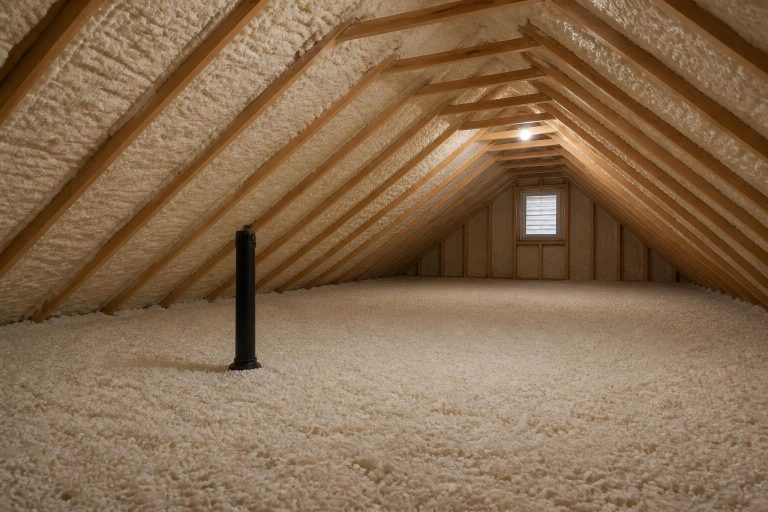
Upgrade attic insulation with blown-in cellulose or fiberglass to increase R-value and reduce conductive heat loss through the ceiling plane. We account for existing insulation depth, attic ventilation, soffit baffles, thermal bridging and air leakage to improve building-envelope performance through Edmonton’s long heating season and extreme winter temperatures.
Learn More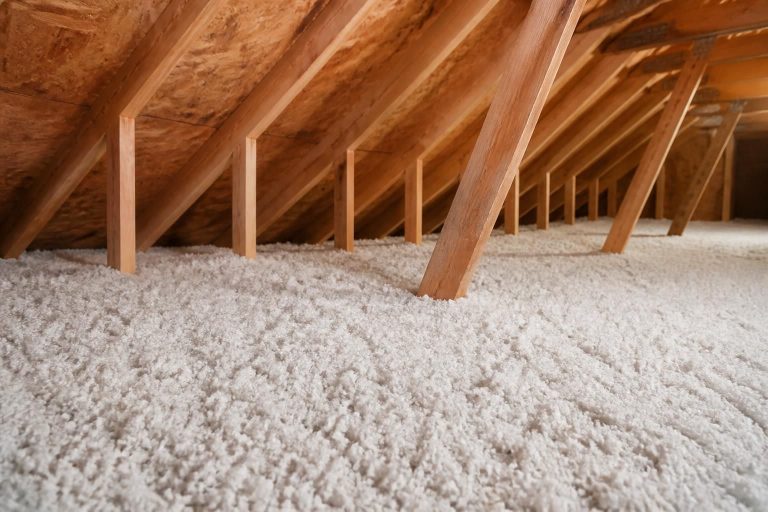
Blown-In Insulation
Loose-fill cellulose and fiberglass can be pneumatically installed around joists, framing and irregular attic cavities for more consistent thermal coverage. Blown-in insulation is well suited to Edmonton attic top-ups and selected retrofits, increasing R-value while reducing gaps, thermal bypasses and heat transfer through the building envelope.
Learn More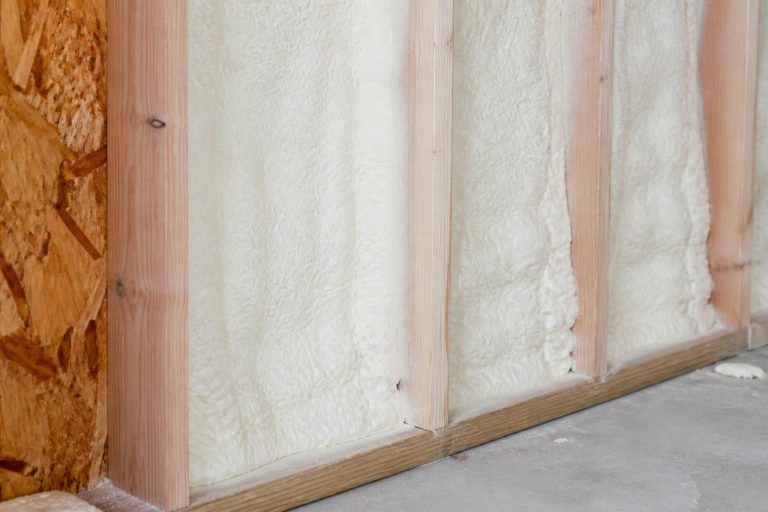
Spray Foam Insulation
Spray polyurethane foam is applied with proportioning equipment, heated hoses and a spray gun, expanding around framing, rim joists and penetrations to provide insulation and air control. Open- and closed-cell spray foam systems differ in cost, density, thermal resistance and vapour permeance, with the building assembly and performance requirements guiding material selection.
Learn More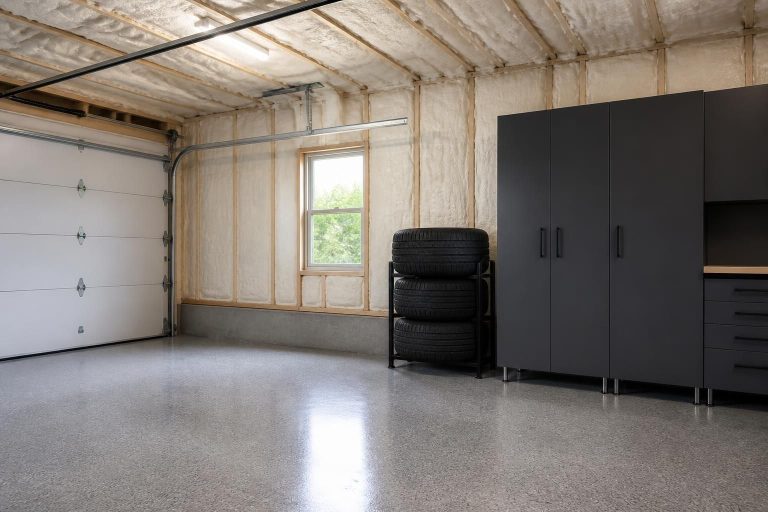
Garage Insulation
Garage insulation improves thermal performance across exterior walls, ceilings, rim joists and other exposed parts of the building envelope. Fiberglass batts, mineral wool and spray foam can address heat transfer and air leakage, while attached garages require particular attention to shared walls and ceilings separating the garage from conditioned living space during Edmonton’s cold winters.
Learn More
Basement Insulation
Basement insulation addresses heat loss through concrete foundation walls, rim joists and other below-grade building-envelope assemblies. Rigid foam, mineral wool and spray polyurethane foam can provide thermal resistance where appropriate, while air leakage, vapour control, moisture conditions and thermal bridging must be considered when insulating Edmonton basements.
Learn More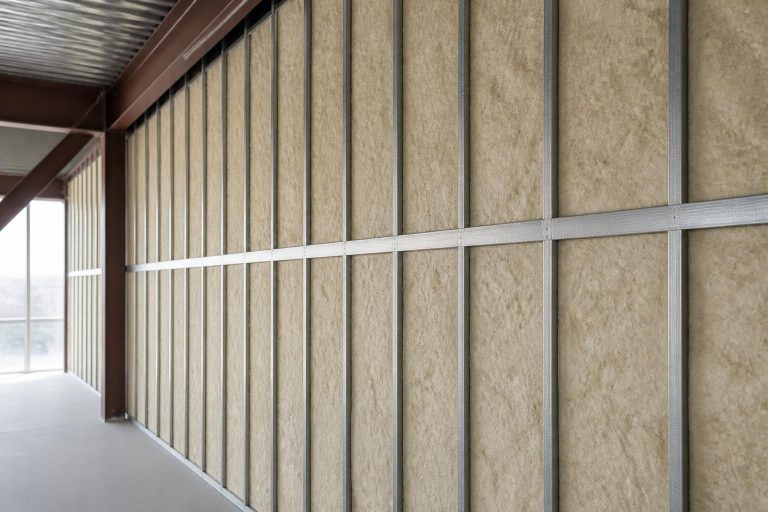
Commercial Insulation
Commercial insulation systems improve thermal and acoustic performance across exterior walls, roof assemblies, mechanical spaces and tenant improvements. Fiberglass, mineral wool, rigid board and spray polyurethane foam can be specified around R-value, air and vapour control, fire-rated assemblies and project requirements for Edmonton offices, retail, industrial and multi-unit buildings.
Learn More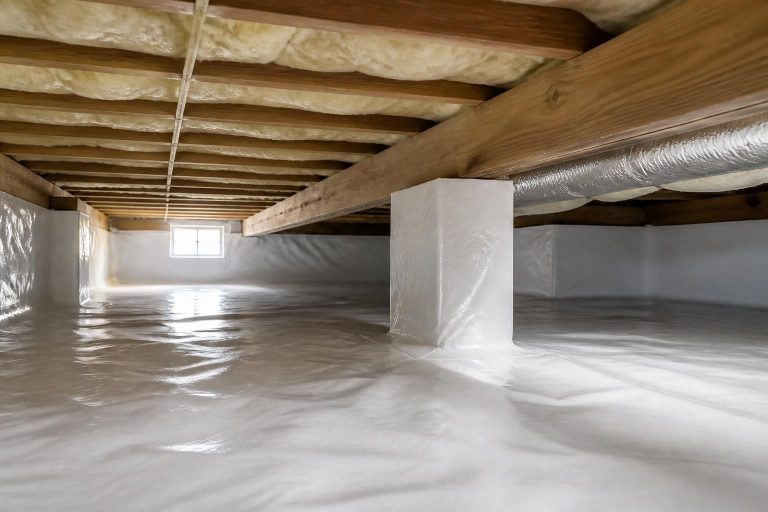
Crawl Space Insulation
Crawl space insulation addresses heat loss, air leakage and moisture at floor joists, rim joists, foundation walls and other below-grade assemblies. Depending on the crawl space, rigid foam, mineral wool or closed-cell spray foam can provide thermal resistance, while ground moisture, vapour control and air-barrier continuity must be considered for Edmonton’s freeze-thaw conditions.
Learn More
Insulation Removal
Old, damaged or contaminated attic insulation can be removed using high-powered insulation vacuums, flexible extraction hoses and contained collection systems. Removal exposes the ceiling plane for inspection of air leaks, moisture staining and damaged materials before air sealing and new cellulose, fiberglass or other insulation is installed.
Learn More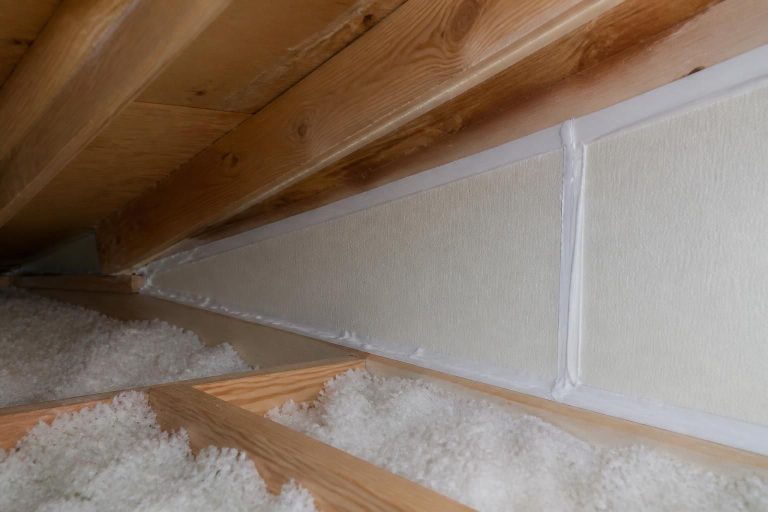
Air Sealing Services
Air sealing targets uncontrolled leakage through attic hatches, wiring and plumbing penetrations, top plates, rim joists and other gaps in the building envelope. Caulking, one-component spray foam, gaskets and weatherstripping can seal these pathways, while blower-door testing and infrared thermography can help identify air leakage and thermal anomalies in Edmonton buildings.
Learn More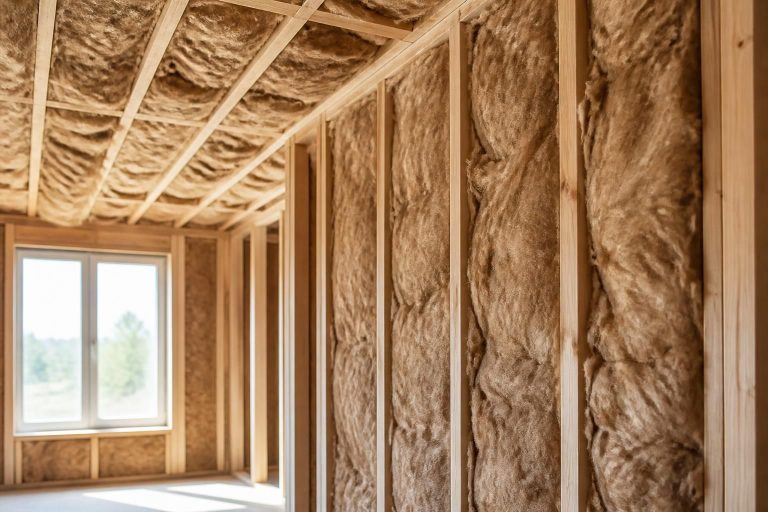
New Construction Insulation
New construction insulation integrates thermal, air and vapour control across wall cavities, rim joists, attic assemblies and penetrations before finishes are installed. Fiberglass, mineral wool, rigid board and spray polyurethane foam can be specified around R-value, framing and building-envelope requirements, with Edmonton housing and small-building projects subject to energy-efficiency provisions under NBC(AE) 2023, including Section 9.36.
Learn More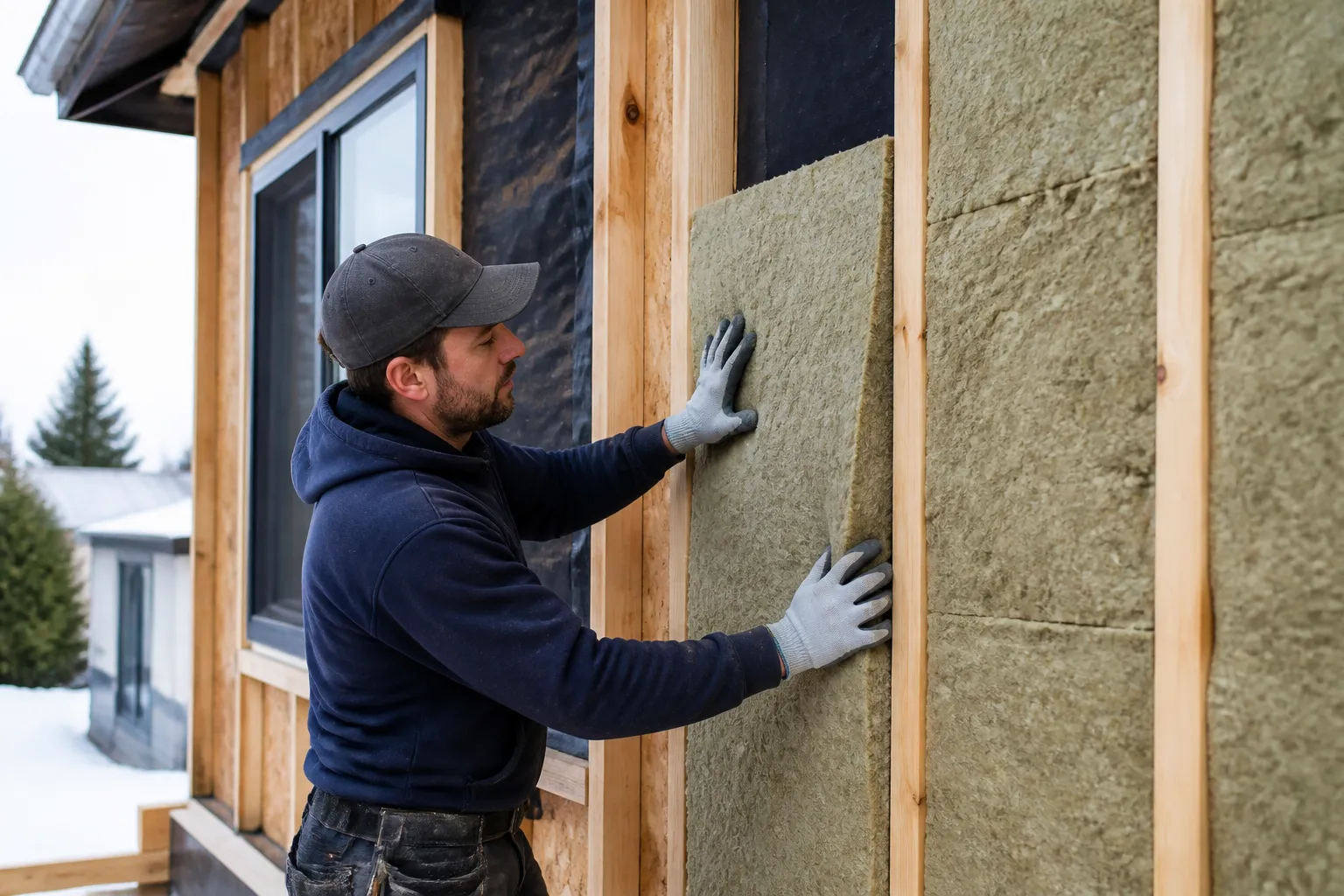
Wall Insulation
Wall insulation improves thermal resistance within exterior 2×4 and 2×6 framing, where missing, settled or inadequate insulation can contribute to cold surfaces and heat loss. In existing Edmonton homes, infrared thermography can help identify thermal anomalies, while blown-in cellulose may be used to retrofit suitable enclosed wall cavities with less disruption to finished drywall.
Learn More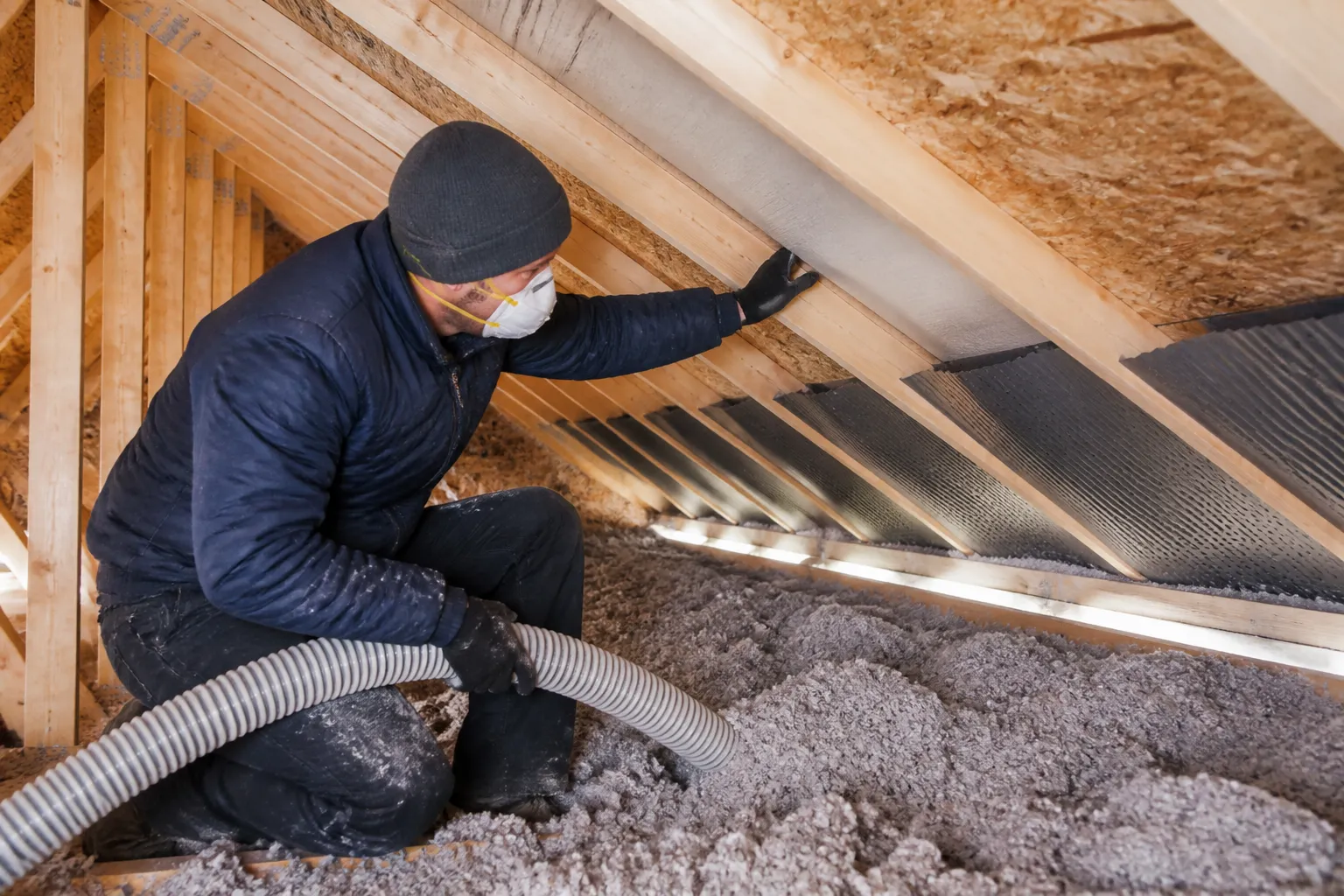
Attic Frost, Condensation & Ice Dam Solutions
Edmonton’s winter temperature differential and stack effect can drive warm, moisture-laden indoor air through ceiling penetrations and attic bypasses toward cold roof sheathing, where it may condense or freeze as attic frost. Air sealing, insulation upgrades, soffit baffles and attic ventilation can address contributing conditions linked to condensation, attic rain and ice-dam formation.
Learn More